Why This Diet Just Works: My Mediterranean Health Turnaround
I used to feel sluggish, bloated, and stuck in a cycle of quick-fix diets that never lasted. Then I tried the Mediterranean way—not as a trend, but as a real health assessment of how food impacts the body. Backed by science and rooted in tradition, it changed how I eat and feel. No magic, no extremes—just simple, proven shifts. What I discovered wasn’t just weight loss, but more energy, clearer skin, and better blood markers. This is what real, sustainable health feels like.
The Problem: Why Modern Diets Fail
In recent decades, the conversation around food has become louder, more confusing, and often contradictory. One year, fat is the enemy; the next, carbohydrates take the blame. Amid this noise, many women in their 30s, 40s, and 50s find themselves caught in a cycle of restrictive eating, temporary results, and eventual burnout. The promise of rapid weight loss draws people in, but the reality is often fatigue, irritability, and digestive discomfort. These short-term diets rarely consider long-term metabolic health, hormonal balance, or emotional well-being. Instead, they focus narrowly on the scale, ignoring deeper signals the body sends—like disrupted sleep, constant hunger, or brain fog.
What makes the Mediterranean approach different is its foundation in real, long-standing eating patterns rather than commercial trends. Unlike fad diets that eliminate entire food groups, this way of eating supports balanced nutrition. It does not demand perfection or deprivation. More importantly, it encourages a broader health assessment—one that includes energy levels, mood stability, digestion, and even blood test results. When women begin to track more than just pounds lost, they start to see how food truly functions as information for the body. High inflammation, for example, often shows up as joint stiffness or acne, not just in lab reports. Poor gut health may present as bloating or low immunity. These are not minor issues—they are early warnings.
Modern diets often fail because they are not designed for life. They ask for sacrifice without offering sustainable satisfaction. The Mediterranean model, by contrast, is built on enjoyment, variety, and cultural richness. It does not require counting every calorie or measuring every portion. Instead, it invites a shift in mindset—from restriction to nourishment. This is not about looking thinner in a swimsuit; it’s about feeling stronger, more resilient, and more in control of one’s health. The real goal is not short-term change but lifelong vitality. And that begins with recognizing that food is not the enemy—it is one of our most powerful tools for healing and prevention.
What Is the Mediterranean Diet—And Why Science Loves It
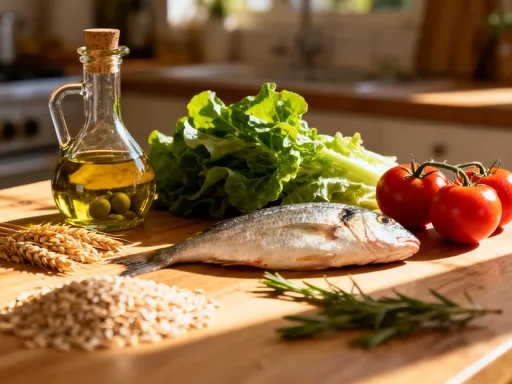
The Mediterranean diet is not a branded meal plan or a set of rigid rules. It is a way of eating inspired by the traditional habits of people living in countries bordering the Mediterranean Sea—regions like Greece, southern Italy, and parts of Spain. For generations, these communities have enjoyed meals rich in vegetables, whole grains, legumes, fresh fish, olive oil, nuts, and seasonal fruit, with moderate amounts of dairy and poultry, and limited red meat and processed foods. What makes this pattern stand out is not novelty, but longevity—both in terms of how long people in these regions live and how consistently researchers find health benefits tied to this style of eating.
Over the past several decades, numerous studies have confirmed that those who follow a Mediterranean-style diet tend to have lower rates of heart disease, type 2 diabetes, and cognitive decline. One of the most influential studies, the PREDIMED trial, followed thousands of adults at high cardiovascular risk and found that those who adopted a Mediterranean diet supplemented with extra virgin olive oil or nuts had significantly lower rates of major heart events compared to those on a low-fat diet. These findings were so strong that the study was stopped early for ethical reasons—the benefits were too clear to continue withholding them.
Scientists praise this diet because it works on multiple levels. It supports heart health by improving cholesterol profiles—raising HDL (the “good” cholesterol) and reducing LDL oxidation. It helps regulate blood sugar, which is crucial for preventing insulin resistance and metabolic syndrome. It also promotes brain health, with research linking it to slower cognitive aging and a reduced risk of Alzheimer’s disease. The diet’s strength lies in its synergy: no single food is a miracle, but the combination creates a powerful, protective effect. The abundance of antioxidants from colorful vegetables and fruits, the anti-inflammatory properties of olive oil, and the gut-friendly fiber from legumes and whole grains all contribute to a body functioning at its best.
Unlike many trendy diets that isolate one nutrient or food group, the Mediterranean model embraces balance. It does not demonize fat—instead, it celebrates healthy fats like those in avocados, nuts, and fatty fish. It does not eliminate carbohydrates—rather, it prioritizes complex, fiber-rich ones like barley, farro, and sweet potatoes. This makes it not only effective but also realistic for long-term adherence. For women managing busy households, fluctuating hormones, and changing metabolism, this kind of flexible, nourishing approach is not just appealing—it is essential.
My Health Assessment Journey: From Doubt to Real Results
When I first considered changing my eating habits, I was skeptical. I had tried so many diets—low carb, intermittent fasting, juice cleanses—that promised quick results but left me feeling deprived and disappointed. My baseline health was far from ideal: I struggled with low energy by mid-afternoon, frequent bloating, trouble sleeping, and a growing sense of frustration. My annual blood work showed elevated triglycerides and borderline high blood pressure, which my doctor mentioned gently but firmly. I knew I needed to make a change, but I didn’t want another short-lived experiment. I wanted something that would last—and that would make me feel better, not just look different.
That’s when I decided to approach food as part of a broader health assessment. Instead of focusing only on weight, I began tracking how I felt each day: my energy levels, digestion, mood, and mental clarity. I also committed to repeating key blood tests after six months to see measurable changes. I started slowly—swapping butter for olive oil, adding a serving of vegetables to every meal, and replacing processed snacks with a handful of almonds or a piece of fruit. I didn’t eliminate anything completely; I simply made better choices more often. There were no drastic rules, no forbidden foods—just a gradual shift toward whole, minimally processed ingredients.
Within a few weeks, I noticed subtle but meaningful differences. My afternoon crashes became less severe. I was sleeping more soundly. My skin appeared clearer, and my clothes began to fit more loosely—even though the scale moved only slightly. After three months, I felt more alert and less reactive to stress. By the six-month mark, my follow-up blood work showed real improvement: my triglycerides had dropped into the healthy range, my HDL had increased, and my blood pressure was consistently in the normal zone. My waist measurement had decreased by two inches, a sign of reduced visceral fat, which is closely linked to metabolic health.
What surprised me most was the mental shift. I no longer felt at war with food. Instead, I felt in tune with my body’s needs. I began to crave vegetables and whole grains naturally, not because I was forcing myself, but because I could feel the difference they made. This wasn’t about willpower—it was about listening. The Mediterranean way gave me permission to enjoy meals without guilt, to eat slowly, and to savor flavors. It wasn’t a diet; it became a lifestyle. And that, I realized, was the key to lasting change.
The Core Principles: What Actually Makes It Work
At the heart of the Mediterranean diet are a few simple, powerful principles that work together to support long-term health. First and foremost is the emphasis on plant-based foods. Vegetables, fruits, legumes, whole grains, nuts, and seeds form the foundation of daily meals. These foods are rich in fiber, vitamins, and phytonutrients—natural compounds that help reduce inflammation and protect cells from damage. Unlike processed foods that are stripped of nutrients, whole plant foods provide sustained energy and keep hunger at bay.
Another cornerstone is the use of healthy fats, particularly extra virgin olive oil. This is not just a cooking oil—it is a central ingredient, used generously in dressings, sautéing, and even drizzling over finished dishes. Olive oil is high in monounsaturated fats and polyphenols, which have been shown to support heart health and reduce oxidative stress. Fatty fish like salmon, sardines, and mackerel are also encouraged, thanks to their high omega-3 fatty acid content, which plays a vital role in brain function and reducing inflammation. These fats are not feared—they are celebrated as essential components of a healthy diet.
The Mediterranean model also minimizes processed and ultra-processed foods. This means avoiding packaged snacks, sugary drinks, refined grains, and foods with long lists of unpronounceable ingredients. Instead, meals are built around fresh, seasonal ingredients prepared at home. This doesn’t require gourmet skills—simple techniques like roasting vegetables, grilling fish, or making a bean stew are more than enough. Portion awareness is encouraged, but not obsessive calorie counting. The focus is on eating until satisfied, not stuffed.
Fiber and omega-3s deserve special attention. Fiber, found in beans, oats, vegetables, and whole grains, feeds the beneficial bacteria in the gut, supporting digestion and immune function. It also helps stabilize blood sugar, preventing the spikes and crashes that lead to cravings and fatigue. Omega-3 fatty acids, primarily from fish and walnuts, support brain health and reduce the risk of chronic diseases. Together, these nutrients create a foundation of metabolic stability and resilience. The result is not just weight management, but improved energy, clearer thinking, and a stronger body from the inside out.
Beyond the Plate: Lifestyle as Part of the Equation
One of the most overlooked aspects of the Mediterranean lifestyle is that it is about more than food. It is also about how we live—how we move, rest, and connect with others. In traditional Mediterranean cultures, meals are not rushed. They are shared, enjoyed slowly, and treated as moments of connection. This practice of mindful eating—paying attention to flavors, textures, and fullness cues—can transform the relationship with food. It reduces overeating, improves digestion, and increases satisfaction. For many women juggling work, family, and personal responsibilities, reclaiming this pace can be revolutionary.
Physical activity is another integral part of the pattern, though not in the form of intense, time-consuming workouts. Instead, movement is woven into daily life—walking to the market, gardening, taking the stairs, or enjoying a post-dinner stroll. These small, consistent actions add up, supporting circulation, joint health, and mood regulation. Sleep is also prioritized. Regular, restful sleep helps regulate hunger hormones, reduce inflammation, and support recovery. When diet is combined with adequate movement and quality rest, the benefits multiply.
Social connection plays a surprisingly powerful role. Sharing meals with family or friends has been linked to better eating habits and improved mental well-being. The act of sitting down together, without screens or distractions, fosters presence and reduces stress. For women who often put others’ needs first, this kind of intentional time can be deeply restorative. It reminds us that health is not just physical—it is emotional and relational, too.
When all these elements come together—nutrient-rich food, regular movement, restful sleep, and meaningful connection—the body functions more efficiently. Digestion improves. Energy levels stabilize. Mood becomes more balanced. This holistic approach explains why the Mediterranean way is so effective: it doesn’t isolate food from life. It recognizes that true health is built through daily habits, not isolated actions. It is not enough to eat well if you are chronically stressed, sedentary, or isolated. The diet works best when it is part of a broader commitment to well-being.
Common Missteps and How to Avoid Them
Despite its popularity, the Mediterranean diet is often misunderstood or poorly implemented. One common myth is that it means eating unlimited pasta or pizza. In reality, traditional Mediterranean meals feature small portions of whole grain pasta, often served with plenty of vegetables and a light tomato-based sauce, not heavy cream or excessive cheese. Another misconception is that all olive oil is the same. In truth, extra virgin olive oil—cold-pressed and unrefined—contains the highest levels of beneficial compounds. Cheaper, refined oils may lack these advantages and are sometimes diluted with lower-quality fats.
Many people also fall into the trap of relying on store-bought convenience foods labeled as “Mediterranean-style.” These products often contain added sugars, sodium, and preservatives, undermining the diet’s health benefits. Bottled dressings, canned soups, and pre-packaged meals may seem time-saving, but they rarely match the quality of homemade versions. A simple vinaigrette made with olive oil, lemon juice, and herbs takes minutes to prepare and avoids unnecessary additives.
To stay on track, it helps to plan ahead. Keep pantry staples like canned beans, whole grains, and tomatoes on hand. Frozen vegetables and fish are nutritious, convenient options when fresh ones aren’t available. Reading labels is essential—look for short ingredient lists and avoid products with added sugars or hydrogenated oils. Focus on building meals around whole foods, not processed substitutes.
Perfection is not the goal. Some days, a meal might be simpler or less balanced—and that’s okay. What matters is consistency over time. Progress, not perfection, leads to lasting change. Be patient with yourself. Allow room for flexibility and occasional indulgences. The Mediterranean way is not about rigid rules; it is about making better choices more often. When mistakes happen, simply return to the basics: more plants, more healthy fats, less processing. That is where real results come from.
Making It Last: Building a Sustainable Routine
Sustainability is the true measure of any healthy eating pattern. The Mediterranean diet succeeds because it is flexible, enjoyable, and adaptable to real life. To make it last, it helps to build practical habits that fit your schedule and preferences. Batch cooking is a powerful tool—preparing grains, roasting vegetables, or making a large pot of lentil soup on the weekend can save time during busy weekdays. Having healthy components ready makes it easier to assemble balanced meals quickly.
Shopping with the seasons is another effective strategy. Seasonal produce is often fresher, more flavorful, and more affordable. It also encourages variety, preventing food boredom. Explore local farmers’ markets when possible, or choose in-season items at the grocery store. Simple flavor boosters—like garlic, lemon, fresh herbs, olives, and capers—can transform basic ingredients into satisfying meals without added salt or sugar.
Tracking progress should go beyond the scale. Non-scale victories—such as improved energy, better sleep, reduced bloating, or clothes fitting more comfortably—are often more meaningful indicators of health. Keeping a simple journal to note how you feel each week can reinforce motivation and highlight subtle improvements. If cravings decrease or focus sharpens, these are signs that your body is responding positively.
Finally, remember that this is not a temporary fix but a lifelong investment. Health is not a destination; it is a daily practice. It involves making choices that support your well-being, even when life is busy or stressful. Professional guidance—from a registered dietitian or healthcare provider—can be helpful, especially when managing specific conditions. But for most women, the path is clear: return to real food, eat mindfully, move regularly, and connect with others. These are not radical ideas—they are timeless principles. And when practiced consistently, they lead to real, lasting transformation.
The Mediterranean diet is more than a meal plan—it is a science-backed, realistic approach to long-term well-being. It is not about restriction or punishment, but about nourishment, balance, and joy. By using a personal health assessment to guide choices, women can move beyond superficial results and build a deeper understanding of how food affects their bodies. Blood markers, energy levels, and daily comfort are powerful tools for making informed decisions. While no single diet fits every person perfectly, the core principles—whole foods, healthy fats, and mindful living—are universally beneficial. Small, consistent changes add up over time, leading to improved vitality and resilience. The journey does not require perfection, just intention. Start where you are. Use what you have. Build habits that last. View health not as a goal to reach, but as a practice to live every day. In doing so, you invest not just in a longer life, but in a better one.