What If Aging Could Be Slowed While Catching Health Issues Early?
Aging is inevitable, but how we age is within our control. I’ve learned that small, consistent habits not only help us look and feel younger but also play a crucial role in spotting health issues before they become serious. It’s not about chasing youth—it’s about staying healthy longer. Through personal experience and science-backed insights, I discovered simple daily choices that support longevity and early disease detection. This is what changed my perspective on aging—and it might change yours too.
The Hidden Link Between Aging and Early Disease Detection
As the years pass, the body undergoes natural changes that can increase susceptibility to chronic conditions such as heart disease, type 2 diabetes, and certain cancers. These changes are not simply cosmetic; they reflect deeper shifts at the cellular and molecular level. Biological aging involves the gradual decline of physiological functions, including reduced DNA repair efficiency, accumulation of cellular damage, and chronic low-grade inflammation, often referred to as "inflammaging." While chronological age—the number of years lived—is fixed, biological age reflects the actual condition of the body's systems and can vary significantly between individuals of the same age.
Understanding this distinction is vital because two people who are both 55 years old may have vastly different health trajectories based on their biological age. One may have the cardiovascular resilience of a 45-year-old, while the other may show metabolic signs typical of someone in their 60s. This divergence underscores why early detection of health risks is so powerful. When monitored consistently, subtle deviations in key health markers can signal underlying issues long before symptoms appear. For instance, elevated levels of C-reactive protein (CRP) may indicate systemic inflammation linked to future cardiovascular events, even when blood pressure and cholesterol appear normal.
Proactive health monitoring allows for timely interventions that can slow or even reverse some aspects of biological aging. Regular assessments of metabolic, hormonal, and immune function provide a dynamic picture of how the body is aging. These insights enable individuals and healthcare providers to adjust lifestyle habits, initiate preventive therapies, or modify risk factors before irreversible damage occurs. The goal is not to eliminate aging but to compress the period of illness toward the very end of life—a concept known as "healthspan extension."
Prevention has consistently proven more effective and less costly than treatment, especially with age-related diseases. According to research published in the journal Ageing Research Reviews, up to 80% of heart disease and stroke cases could be avoided through early lifestyle modifications and consistent health screening. Early detection transforms passive aging into an active process, where individuals are no longer at the mercy of time but equipped with knowledge to influence their long-term outcomes. By focusing on biological age and embracing early risk identification, women in their 30s to 50s can lay a foundation for decades of vitality.
Why Most People Miss Early Warning Signs
Despite growing awareness of preventive health, many women overlook early warning signs simply because they blend into the background of daily life. Fatigue after a long day, occasional joint stiffness, or mild digestive discomfort are often dismissed as normal parts of aging or the inevitable result of a busy schedule. This normalization of subtle symptoms can delay medical evaluation until a condition has progressed significantly. A 2022 report by the Centers for Disease Control and Prevention noted that nearly half of American adults do not receive recommended preventive screenings, and many attribute this to a belief that they "feel fine"—a perception that can be dangerously misleading.
One of the most common pitfalls is assuming that minor changes are harmless. For example, persistent low energy may be brushed off as stress or poor sleep, when in fact it could signal thyroid dysfunction, iron deficiency, or early insulin resistance. Similarly, unexplained weight gain or skin changes might be attributed to aging when they could reflect hormonal imbalances or metabolic shifts. Because these symptoms develop gradually, the body adapts, making it harder to recognize that something is amiss. Without a baseline for comparison, small declines in function go unnoticed until they accumulate into more serious health challenges.
Another barrier is the lack of routine health tracking. Many women only seek medical attention when symptoms become disruptive or painful, operating in a reactive rather than proactive mode. Yet, conditions like hypertension or prediabetes often have no obvious symptoms in their early stages. By the time they are diagnosed, organ damage may already be underway. A study in The Lancet Healthy Longevity found that individuals who waited for symptoms before seeking care were three times more likely to be diagnosed with advanced-stage disease compared to those who engaged in regular monitoring.
The solution lies in cultivating body awareness and normalizing regular check-ins with both oneself and a healthcare provider. Recognizing that aging does not have to mean decline allows women to approach health with curiosity rather than resignation. Simple practices—like noting energy levels, tracking menstrual cycle changes, or paying attention to sleep quality—can reveal patterns that warrant further investigation. The key is to treat the body not as a machine that will inevitably break down, but as a dynamic system that communicates its needs if we learn to listen.
Daily Habits That Support Longevity and Early Alerts
Longevity is not determined by a single miracle intervention but by the cumulative effect of consistent, everyday choices. Among the most impactful are quality sleep, proper hydration, regular movement, and effective stress management—each playing a distinct role in maintaining cellular health and organ function. These habits not only slow biological aging but also sharpen the body’s ability to signal when something is off. When routines are stable, deviations become more noticeable, making it easier to catch potential issues early.
Sleep, for instance, is a cornerstone of cellular repair and immune regulation. During deep sleep, the body clears metabolic waste from the brain, restores hormone balance, and repairs damaged tissues. Chronic sleep deprivation has been linked to accelerated biological aging, increased inflammation, and higher risks of neurodegenerative diseases. Women who consistently get 7–8 hours of restorative sleep not only feel more alert but also maintain better cognitive function and emotional resilience. When sleep quality suddenly declines, it can serve as an early red flag for stress, hormonal shifts, or even emerging health conditions like sleep apnea.
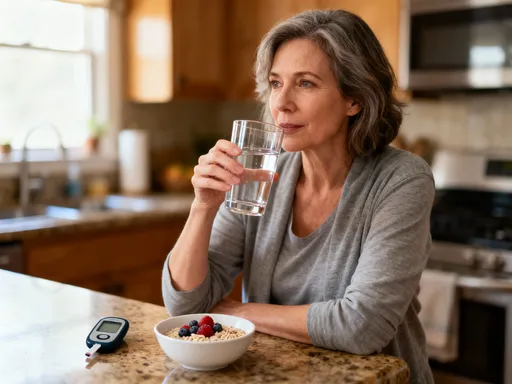
Hydration is another foundational habit often underestimated. Water supports every metabolic process, from nutrient transport to temperature regulation and joint lubrication. Even mild dehydration can impair concentration, reduce physical performance, and strain the kidneys. Over time, chronic dehydration may contribute to urinary tract issues and kidney stone formation. By drinking adequate water throughout the day—typically 6–8 glasses, depending on activity and climate—women support optimal organ function and improve the clarity of bodily signals. For example, changes in urine color or frequency can indicate early shifts in hydration status or kidney health.
Physical movement, even in moderate amounts, has profound anti-aging effects. Regular activity enhances circulation, supports mitochondrial health, and helps regulate blood sugar and blood pressure. It also increases body awareness; women who move daily are more attuned to changes in strength, balance, or endurance. A sudden drop in stamina during a familiar walk or difficulty climbing stairs may indicate underlying cardiovascular or metabolic changes worth investigating. Similarly, stress management techniques such as mindfulness, deep breathing, or journaling help regulate cortisol levels, reducing the long-term wear and tear on the body. Chronic stress accelerates cellular aging by shortening telomeres, the protective caps on chromosomes. By managing stress proactively, women protect both mental and physical health, creating a stronger foundation for long-term wellness.
The Power of Routine Check-Ups and Biomarker Tracking
While lifestyle habits form the foundation of healthy aging, routine medical check-ups provide the data needed to detect silent risks. Biomarkers—measurable indicators of biological function—offer objective insights into how the body is aging. Key markers such as blood pressure, fasting glucose, lipid profile, and C-reactive protein help assess cardiovascular, metabolic, and inflammatory status. Unlike symptoms, which can be vague or delayed, biomarkers reveal what is happening beneath the surface, often years before disease becomes apparent.
For women in their 30s and beyond, regular screening should be tailored to age, family history, and personal risk factors. Blood pressure checks should occur at least annually, with more frequent monitoring for those with a family history of hypertension. Cholesterol panels are recommended every four to six years for low-risk individuals, but more often for those with elevated risk. Fasting glucose and HbA1c tests help identify insulin resistance and prediabetes, conditions that affect nearly one in three American adults and often go undiagnosed for years. Inflammatory markers like CRP can indicate chronic inflammation linked to heart disease, arthritis, and cognitive decline.
Keeping track of these values over time allows for the identification of trends. A gradual rise in blood pressure or a slow decline in kidney function may not trigger immediate concern, but when viewed as part of a long-term pattern, they signal the need for intervention. One effective strategy is maintaining a personal health journal or using digital health apps to log test results, symptoms, and lifestyle factors. This creates a comprehensive health narrative that empowers both patients and providers to make informed decisions.
Additionally, newer tools such as wearable fitness trackers can monitor heart rate variability, sleep patterns, and activity levels, offering real-time feedback on physiological changes. When combined with clinical data, these insights create a more complete picture of health. The goal is not to obsess over numbers but to use them as early warning systems. Data-driven awareness shifts the focus from crisis management to prevention, allowing women to take charge of their health journey with confidence and clarity.
Diet Choices That Fight Aging and Reveal Health Patterns
Nutrition plays a central role in how we age, influencing everything from skin elasticity to brain function and immune response. A diet rich in whole, plant-based foods—such as vegetables, fruits, legumes, nuts, seeds, and whole grains—provides antioxidants, fiber, and essential nutrients that support cellular repair and reduce oxidative stress. These foods help neutralize free radicals, molecules that damage cells and accelerate aging. Studies have shown that individuals who follow a predominantly plant-rich diet tend to have lower biological ages and reduced risks of chronic disease.
The gut microbiome, influenced heavily by diet, is increasingly recognized as a key player in both aging and disease detection. A diverse and balanced gut flora supports immune function, regulates inflammation, and even influences mood and cognitive health. Diets high in processed foods, sugar, and saturated fats can disrupt this balance, leading to "dysbiosis," which has been linked to conditions like obesity, type 2 diabetes, and autoimmune disorders. On the other hand, consuming fermented foods like yogurt, kefir, and sauerkraut, along with fiber-rich plants, promotes a healthy microbiome that enhances overall resilience.
Dietary patterns also provide early feedback on health status. For example, improvements in energy levels, digestion, and skin clarity often follow positive dietary changes, serving as visible signs of internal healing. Conversely, persistent bloating, fatigue after meals, or unexplained food sensitivities may indicate underlying issues such as insulin resistance, gut inflammation, or hormonal imbalances. Rather than adopting extreme or trendy diets, women are better served by sustainable, personalized eating habits that emphasize variety, moderation, and enjoyment.
Meal planning, mindful eating, and cooking at home can support long-term adherence and improve nutritional quality. Small changes—like replacing refined grains with whole grains, increasing vegetable intake, or choosing healthy fats like olive oil and avocados—can have significant cumulative benefits. Over time, these choices not only slow aging but also make it easier to notice when something is out of balance, turning food into both medicine and a diagnostic tool.
Movement as Medicine: Staying Active to Stay Alert
Physical activity is one of the most potent anti-aging interventions available, with benefits that extend far beyond weight management. Regular movement improves cardiovascular health, maintains muscle mass, supports joint flexibility, and enhances cognitive function. It also plays a critical role in disease prevention; research shows that even moderate exercise can reduce the risk of heart disease, stroke, breast cancer, and dementia by up to 30%. For women navigating the changes of perimenopause and menopause, staying active helps manage symptoms like hot flashes, mood swings, and bone density loss.
One of the most underappreciated benefits of consistent movement is increased body awareness. Women who engage in daily physical activity—whether walking, gardening, yoga, or dancing—develop a stronger connection to their bodies. They notice subtle shifts in strength, endurance, balance, and coordination. A sudden difficulty in lifting groceries, a change in walking gait, or increased breathlessness during routine tasks can serve as early warnings of cardiovascular, neurological, or metabolic changes. Unlike isolated fitness goals, this holistic awareness transforms exercise into a form of self-monitoring.
The good news is that formal gym workouts are not required to reap these benefits. Simple lifestyle activities—such as taking the stairs, parking farther from entrances, or doing household chores with intention—can add up to meaningful movement. The World Health Organization recommends at least 150 minutes of moderate-intensity aerobic activity per week, along with muscle-strengthening exercises on two or more days. However, any amount of movement is better than none, and consistency matters more than intensity.
Over time, maintaining physical fitness supports long-term independence and quality of life. Strong muscles and good balance reduce the risk of falls, a leading cause of injury in older adults. Endurance enables participation in family activities, travel, and hobbies well into later years. By viewing movement not as a chore but as a form of self-care and early detection, women can embrace aging as a phase of continued growth and vitality.
Mindset Matters: Staying Proactive Instead of Reactive
Perhaps the most transformative aspect of healthy aging is the shift in mindset—from reacting to illness to proactively nurturing wellness. This mental transition requires moving away from fear-based health behaviors and embracing curiosity, empowerment, and partnership with healthcare providers. Instead of waiting for something to go wrong, women can adopt a stance of continuous learning and self-advocacy. This means asking questions during medical visits, requesting copies of lab results, and seeking second opinions when needed.
Cultivating a preventive mindset also involves normalizing conversations about health within families and social circles. Sharing experiences about screenings, dietary changes, or fitness routines can create supportive communities that reinforce positive behaviors. Open dialogue reduces stigma around certain conditions and encourages early action. It also helps women feel less isolated in their health journeys, particularly during life transitions like menopause or caregiving.
Ultimately, aging does not have to be a story of decline. With the right habits, regular monitoring, and a proactive attitude, it can become a journey of resilience, wisdom, and sustained well-being. The goal is not to stop the clock but to ensure that the years lived are full of energy, purpose, and health. By slowing biological aging and catching issues early, women can enjoy a longer, more vibrant life—not just for themselves, but for the families and communities they cherish.