How I Fixed My Hair by Changing My Body Routine
Hair troubles? I’ve been there—thin strands, breakage, zero shine. I tried every shampoo and serum, but nothing worked until I looked deeper. Turns out, healthy hair isn’t just about what you put on it, but what you do inside your body. This is my real journey of adjusting my daily habits, from sleep to hydration, and how these small shifts brought big changes to my hair health—no hype, just honest results.
The Hair Wake-Up Call
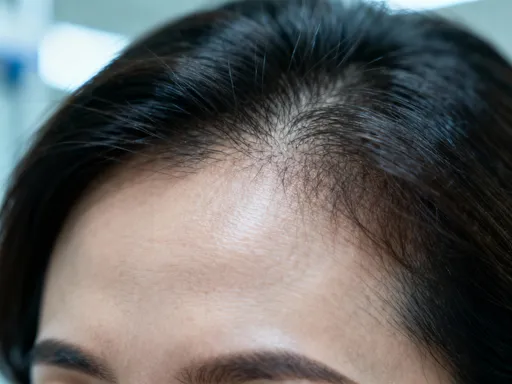
It started subtly—more strands than usual on my brush, a widening part, and a general lack of bounce. At first, I dismissed it as seasonal shedding or stress from a busy workweek. But when I noticed thinning at the crown, something inside me shifted. I was in my early 40s, and while aging could play a role, this felt different. I wasn’t just losing hair—I wasn’t growing it back. The ends stayed blunt, and my ponytail felt noticeably thinner. I had spent hundreds on serums, keratin treatments, and sulfate-free shampoos, yet my hair continued to weaken.
That’s when I began to question the narrative I’d been sold: that hair health is purely cosmetic. No one had ever suggested that my routine—my sleep, diet, or stress levels—could be the root cause. I visited a dermatologist, who confirmed what I suspected: my hair loss wasn’t due to a scalp condition or genetics alone. Blood tests revealed mild iron deficiency, low vitamin D, and elevated cortisol levels. The doctor explained that hair is one of the first systems to suffer when the body is out of balance. It’s not always about the follicles—it’s about the foundation.
This was my wake-up call. I realized I had been treating symptoms while ignoring the source. Instead of chasing the next miracle product, I decided to focus on my body’s internal environment. I shifted from a product-first to a body-first approach. What followed wasn’t a quick fix, but a gradual, sustainable transformation. I began tracking my habits, making small adjustments, and observing how my hair responded. Over time, the changes were undeniable—not just in thickness, but in texture, resilience, and overall vitality.
Why Hair Reflects Your Inner State
Hair is often seen as a cosmetic feature, but biologically, it’s a barometer of internal health. Each strand is made of keratin, a protein synthesized from amino acids that must be available in sufficient quantities. When the body is under stress, nutrient-deficient, or dealing with hormonal imbalances, hair growth is one of the first processes to be deprioritized. This is because, from a survival standpoint, the body prioritizes vital organs over non-essential functions like hair growth.
Hormonal fluctuations, particularly in estrogen, progesterone, and thyroid hormones, can directly impact the hair cycle. For example, low thyroid function often leads to diffuse thinning, while elevated androgens can shrink follicles over time. Digestive health also plays a crucial role—poor gut function can impair the absorption of key nutrients like iron, zinc, and B vitamins, all of which are essential for healthy hair. Inflammation, whether from diet, stress, or autoimmune conditions, can further disrupt the hair growth cycle by damaging follicles and shortening the anagen (growth) phase.
Another overlooked factor is the body’s circadian rhythm. Hair follicles have their own biological clock, influenced by sleep patterns and melatonin production. Disruptions in sleep can delay follicle regeneration and reduce the efficiency of repair processes. This is why many women notice increased shedding after periods of poor sleep or emotional strain. The connection is not coincidental—it’s physiological.
Understanding this changed everything for me. Instead of viewing hair as a separate entity, I began to see it as an extension of my overall well-being. When I addressed internal imbalances—through better nutrition, stress management, and routine regulation—my hair responded not because I targeted it directly, but because I created an environment where it could thrive. This shift in perspective was the foundation of my recovery.
Sleep: The Overnight Repair System
I used to wear my late nights like a badge of honor—burning the candle at both ends to keep up with work, family, and household demands. I thought sleep was just about rest, not realizing it’s also a critical period of cellular repair. During deep sleep, the body releases growth hormone, repairs tissues, and regulates cortisol and melatonin—hormones that directly influence hair health. When sleep is inconsistent or insufficient, this repair cycle is disrupted, and hair follicles don’t get the support they need to regenerate.
My turning point came when I tracked my sleep for two weeks using a simple journal. I averaged only 5.5 hours a night, often waking between 2 and 3 a.m.—a sign of elevated cortisol. I decided to prioritize sleep not as a luxury, but as a non-negotiable part of my health routine. I set a consistent bedtime of 10:30 p.m. and created a wind-down ritual: turning off screens by 9:30, drinking herbal tea, and reading a physical book. I also invested in blackout curtains and a white noise machine to improve sleep quality.
Within two weeks, I noticed a difference. My energy improved, but more surprisingly, my hair felt different. It was less brittle, easier to detangle, and had a subtle shine I hadn’t seen in years. By the fourth week, shedding decreased noticeably. A trichologist later explained that consistent, quality sleep supports the anagen phase of hair growth and reduces oxidative stress on follicles. It also helps regulate insulin and cortisol, both of which, when imbalanced, can contribute to hair thinning.
Sleep isn’t a passive act—it’s an active healing process. By giving my body the time and conditions it needed to repair, I gave my hair the foundation it had been missing. This wasn’t about perfection—some nights I still stayed up late—but the consistency made the difference. Over time, my hair cycle stabilized, and new growth became more visible at the roots.
Hydration: More Than Just Water
I used to think hydration meant drinking eight glasses of water a day. I did it mechanically, without paying attention to how I felt. But when I started looking at hydration as a core component of cellular function, my perspective changed. Water isn’t just for quenching thirst—it’s essential for nutrient transport, waste removal, and maintaining the elasticity of skin and hair. The scalp, like the rest of the body, relies on proper hydration to function optimally. When dehydrated, the scalp can become dry, flaky, and less efficient at delivering nutrients to follicles.
I began tracking my actual intake and realized I was drinking far less than I thought—closer to four glasses a day, mostly in the morning. The rest of the day, I relied on coffee and tea, which, while not dehydrating in moderation, don’t contribute to net hydration like water does. I made a simple rule: for every cup of coffee, I’d drink a full glass of water. I also started carrying a reusable bottle and set hourly reminders on my phone to take sips throughout the day.
But hydration isn’t just about volume—it’s about quality. I learned that electrolytes like sodium, potassium, and magnesium are crucial for water retention and cellular balance. Without them, water passes through the body too quickly to be fully utilized. I began adding a pinch of sea salt and lemon to one glass of water each morning and incorporated coconut water and herbal broths into my routine. These small changes improved my skin’s moisture and, within a month, reduced dryness and split ends significantly.
My hair began to feel more supple, less prone to breakage, and easier to style. A dermatologist confirmed that proper hydration supports the production of sebum, the scalp’s natural oil, which protects hair from environmental damage. When follicles are well-nourished and the scalp is balanced, hair grows stronger from the root. Hydration, I realized, wasn’t a minor detail—it was a cornerstone of my hair health strategy.
Movement That Supports Hair Growth
I never associated exercise with hair health—until I noticed a pattern. On days I walked or did gentle stretching, my scalp felt less tight, and my hair seemed to have more lift. Curious, I researched the connection and discovered that physical activity increases blood circulation, including to the scalp. Improved blood flow delivers oxygen and nutrients to hair follicles, supporting growth and reducing inflammation. Exercise also helps regulate insulin and cortisol levels, both of which, when chronically elevated, can contribute to hair thinning.
I wasn’t interested in intense workouts—my goal was sustainability, not strain. I started with 15-minute walks after dinner, gradually increasing to 30 minutes most days. I also added gentle yoga, focusing on poses that promote blood flow to the head, like downward dog and child’s pose. These weren’t vigorous routines, but they created a rhythm. I noticed that on days I moved, my energy was steadier, my mood improved, and my hair felt fuller.
Studies show that regular, moderate exercise can extend the anagen phase of hair growth and reduce shedding. One small trial found that women who engaged in 30 minutes of aerobic activity three times a week reported less hair loss after six months. While more research is needed, the mechanism is clear: better circulation, lower stress, and improved metabolic function all support healthier hair.
I didn’t need a gym membership or a personal trainer—just consistency. Walking became my daily ritual, a time to clear my mind and move my body. Over time, the benefits compounded. My scalp felt healthier, my strands stronger, and new growth more noticeable. Movement, I learned, wasn’t just about fitness—it was a form of internal care that my hair could feel.
Stress Adjustment: Calming the Body, Healing the Hair
Stress was the silent culprit. I didn’t feel overwhelmed—just busy, always on, constantly managing. But chronic low-grade stress, even without a crisis, can wreak havoc on the body. Elevated cortisol suppresses non-essential functions, including hair growth, and can trigger telogen effluvium—a condition where hair prematurely enters the shedding phase. I didn’t realize how much stress I was carrying until I started paying attention to my body’s signals: tension in my shoulders, shallow breathing, difficulty winding down at night.
I began by identifying my stress triggers—mainly work deadlines and household responsibilities. Instead of pushing through, I introduced small pauses. I started with two minutes of deep breathing each morning and evening, inhaling for four counts, holding for four, exhaling for six. This simple practice activated my parasympathetic nervous system, helping my body shift from “fight or flight” to “rest and digest.” I also began setting boundaries—saying no to extra commitments and scheduling downtime like I would any other appointment.
Within weeks, I noticed a change. My sleep improved, my digestion settled, and my hair shedding slowed dramatically. A trichologist later explained that reducing stress allows the body to reallocate resources to hair growth. When cortisol levels normalize, the hair cycle stabilizes, and follicles can return to their natural rhythm. I also found that managing stress improved my overall resilience—making it easier to maintain other healthy habits.
This wasn’t about eliminating stress—it was about building balance. By creating space for rest and recovery, I gave my body the chance to heal. My hair didn’t just stop falling out—it began to grow back with more strength and vitality. The lesson was clear: mental and physical well-being are inseparable from hair health.
Putting It All Together: My Daily Body-First Routine
Today, my routine is simple but intentional. I go to bed by 10:30 p.m. and aim for seven to eight hours of sleep. Before bed, I disconnect from screens, drink chamomile tea, and spend 10 minutes journaling or stretching. In the morning, I start with a glass of water with lemon and a pinch of sea salt, followed by 15 minutes of light movement—sometimes yoga, sometimes a walk around the block. I eat balanced meals with plenty of protein, leafy greens, and healthy fats, and I drink water consistently throughout the day.
I move my body daily, even if it’s just a short walk. I check in with my stress levels and take breaks when needed—whether it’s deep breathing, stepping outside, or simply sitting quietly. I’ve learned to listen to my body’s signals and respond with care, not criticism. These habits aren’t extreme or time-consuming, but they’re consistent. Over time, they’ve created a foundation of balance that my hair reflects.
The changes in my hair have been gradual but lasting. My part is narrower, my ponytail thicker, and my ends healthier. I still have bad hair days, but they’re the exception, not the rule. More importantly, I feel better overall—more energized, more grounded, more in tune with my body. This journey taught me that true hair wellness isn’t about products or perfection—it’s about respect. When you honor your body’s needs, your hair often responds with strength, shine, and resilience.
I no longer chase quick fixes. Instead, I focus on sustainable, body-first choices that support long-term health. My hair is no longer a source of frustration—it’s a reflection of how I care for myself. And that, more than any product, has made all the difference.